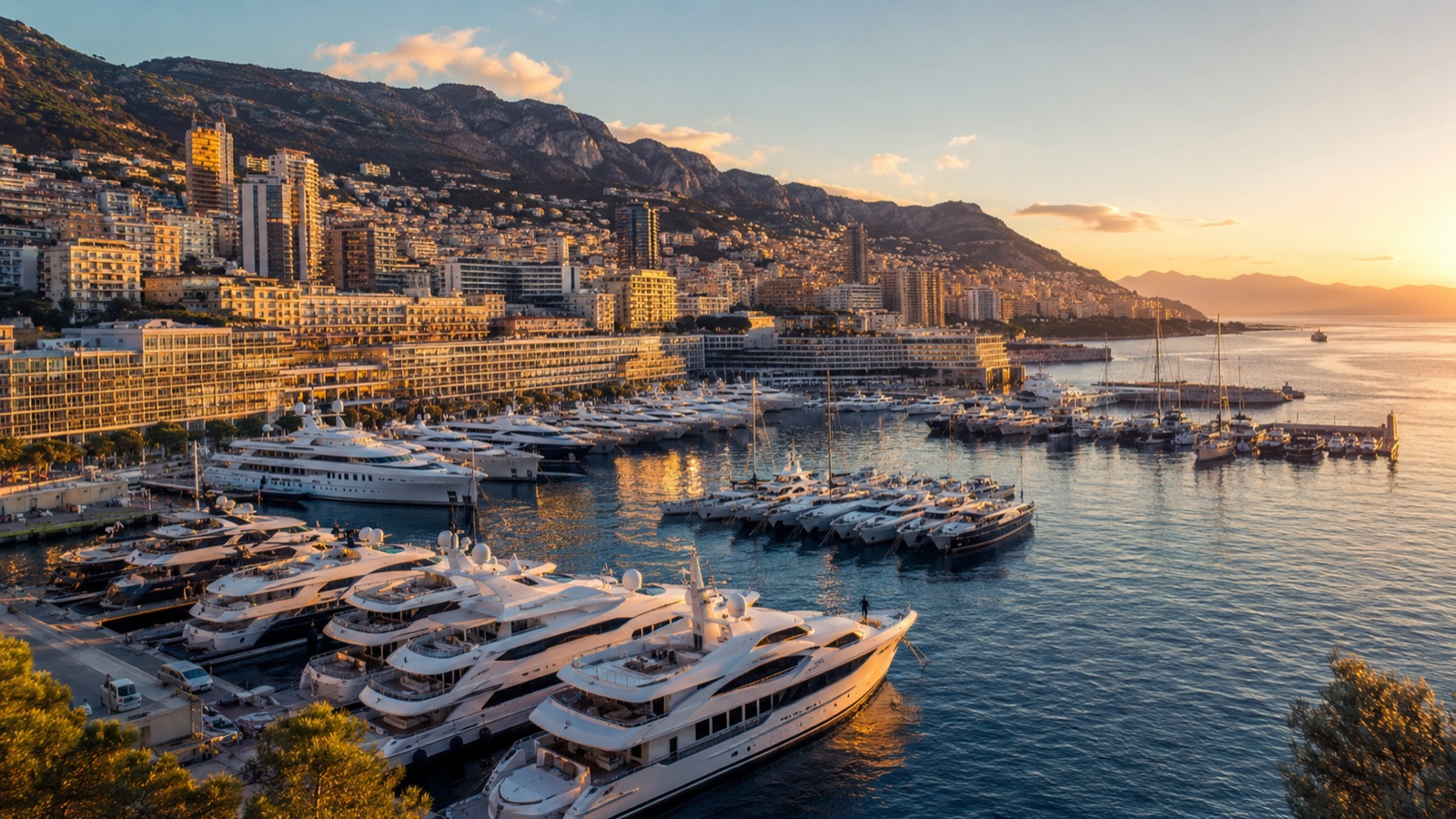
Between 12 May and 7 June 2026, the Côte d'Azur becomes the most operationally constrained corridor in private aviation. Here is what gatekeepers planning UHNW travel need to know before the slot, the parking, and the helicopter run out.
Between 12 May and 7 June 2026, three things will determine whether your principal lands smoothly on the Riviera or spends an extra hour on the tarmac: a 35,000-kilogram weight limit at Cannes-Mandelieu, the COHOR slot office at Nice, and Monacair’s helicopter rotation through Fontvieille. None of them are negotiable, and all three are being squeezed by the same 26 days.
For most of the year, the Côte d’Azur is a busy but manageable corridor for private aviation. During this specific window, it becomes the most operationally constrained airspace in Western Europe outside of London. The Cannes Film Festival runs 12 to 23 May. The Formula 1 Grand Prix de Monaco follows on 5 to 7 June, having shifted from its traditional late-May slot under the FIA’s 2026 regional grouping calendar. Between the two events, Nice never fully empties.
If you are an Executive Assistant or a Family Office advisor planning a UHNW trip into the region during this window, what follows is what we tell our own brokerage team. It is not promotional and it is not chronological. It is the operational reality, in the order we work through it.
The 26-Day Window
The numbers matter here, because they explain why the standard reflexes do not work.
Last year, the Cannes Film Festival alone drove more than 750 private flight movements through Nice and Cannes-Mandelieu combined, roughly a 70/30 split in favor of Nice. Across the 13 days of the festival, that meant operating Côte d’Azur airspace at roughly 40 percent above its weekly average (WingX Advance data, cited via Universal Weather). The 2023 Monaco Grand Prix logged 298 active business jets and 340 arrivals at Nice over three days, against a 2019 baseline of 293 active aircraft on a longer four-day window. The 2025 race drew over 200 yachts to Monaco, 115 of them over 24 meters and parked at Port Hercule.
In 2026, these two events do not collapse into a back-to-back weekend the way they used to. The Grand Prix has moved into the first weekend of June, which means the pressure is spread across 26 days instead of compressed into ten. Operationally, this is worse, not better. The slot office cannot release the parking it would normally turn over between the two events. The FBOs run two distinct surge cycles. And the helicopter operators have to manage two separate peaks of last-minute demand instead of one.
Plan accordingly. The instinct to wait until Cannes wraps before booking Monaco logistics will cost you a working aircraft.
Why You Cannot Just Land in Cannes
This is the question that derails the most trips, and it almost always comes from clients who have been to Cannes before but never tried to charter a heavy jet to it.
Cannes-Mandelieu (LFMD) is a beautiful 1,610-meter runway with a single all-business aviation FBO (Sky Valet) and a ten-minute drive to the Palais des Festivals. On paper, it is the obvious choice. In practice, it has been subject to a strict 35,000-kilogram Maximum Take-Off Weight restriction since October 2015. That single rule removes from the table the Bombardier Global 7500, the Gulfstream G650ER, every Boeing Business Jet, every Airbus Corporate Jet, and a large slice of the long-range fleet your principal is likely to be on. (The Dassault Falcon 8X, at roughly 33.5 tonnes MTOW, threads under the limit. Useful to remember.)
It also closes at sunset plus thirty minutes, with no extended night operations. And its parking is consumed by light and super-midsize jets well before the Festival even begins.
What Cannes-Mandelieu is useful for, during this window, is what Universal Weather’s operations team calls the “second-tail strategy”: positioning a Citation Longitude, a Praetor 600 or a Challenger 350 there for intra-Riviera hops while the heavy metal stays at Nice. Anything beyond that is wishful thinking. As one veteran ops planner put it to us last spring: “Useful if it fits. Not something to fall back on.”
If your principal is flying transatlantic on a Global, a G650, a BBJ or an ACJ, your aircraft is going to Nice. Plan the rest of the trip from there.
The Slot War at Nice (LFMN)
Nice Côte d’Azur is the second-largest business aviation airport in France after Le Bourget, and the only Riviera field that can accept the full range of UHNW aircraft. It is a coordinated airport year-round under the EU slot rules administered by COHOR, the French slot coordinator. During the Cannes and Monaco windows, that coordination becomes a full lockdown.
Three things you need to know.
First, slots. Arrival and departure slots are released through COHOR with Prior Permission Required at the airport level. For the Monaco Grand Prix window, our brokerage starts coordinating slots eight to twelve weeks ahead of the race weekend. For Cannes, the window is shorter (four to six weeks is usually feasible) but the slot density is higher because the festival runs for 13 days rather than three. Last-minute requests inside the two-week window are possible, but they almost always force a less convenient time, a different FBO, or a routing through an alternate.
Second, parking. This is where most trips quietly fall apart. Nice has approximately 120 dedicated jet parking positions, and during these events all of them are spoken for. The standard FBO contract gives you a 24-hour grace period; beyond that, the aircraft has to either reposition or pay surge rates that, during the Monaco GP weekend, we have seen quoted at several times the normal daily rate. PPR for parking confirmation is typically released only one week before arrival. If you are planning a stay longer than 48 hours and your aircraft is heavy, you should be planning where it will reposition before you have even confirmed the inbound slot.
Third, the FBOs. Nice currently has three: Signature Aviation, Aviapartner Executive, and Sky Valet Connect. Signature and Aviapartner share the rebuilt General Aviation Terminal. Sky Valet operates from the older facility. All three are professional and all three are full during these windows. We default to Signature for transatlantic widebody arrivals because their handling of customs and immigration planeside is the most reliable for principals who do not want to step into a terminal building.
The takeaway is this: the slot at Nice is not the problem you solve last. It is the problem you solve first, because everything downstream (the helitransfer booking, the hotel timing, the yacht boarding window) is built on its confirmation.
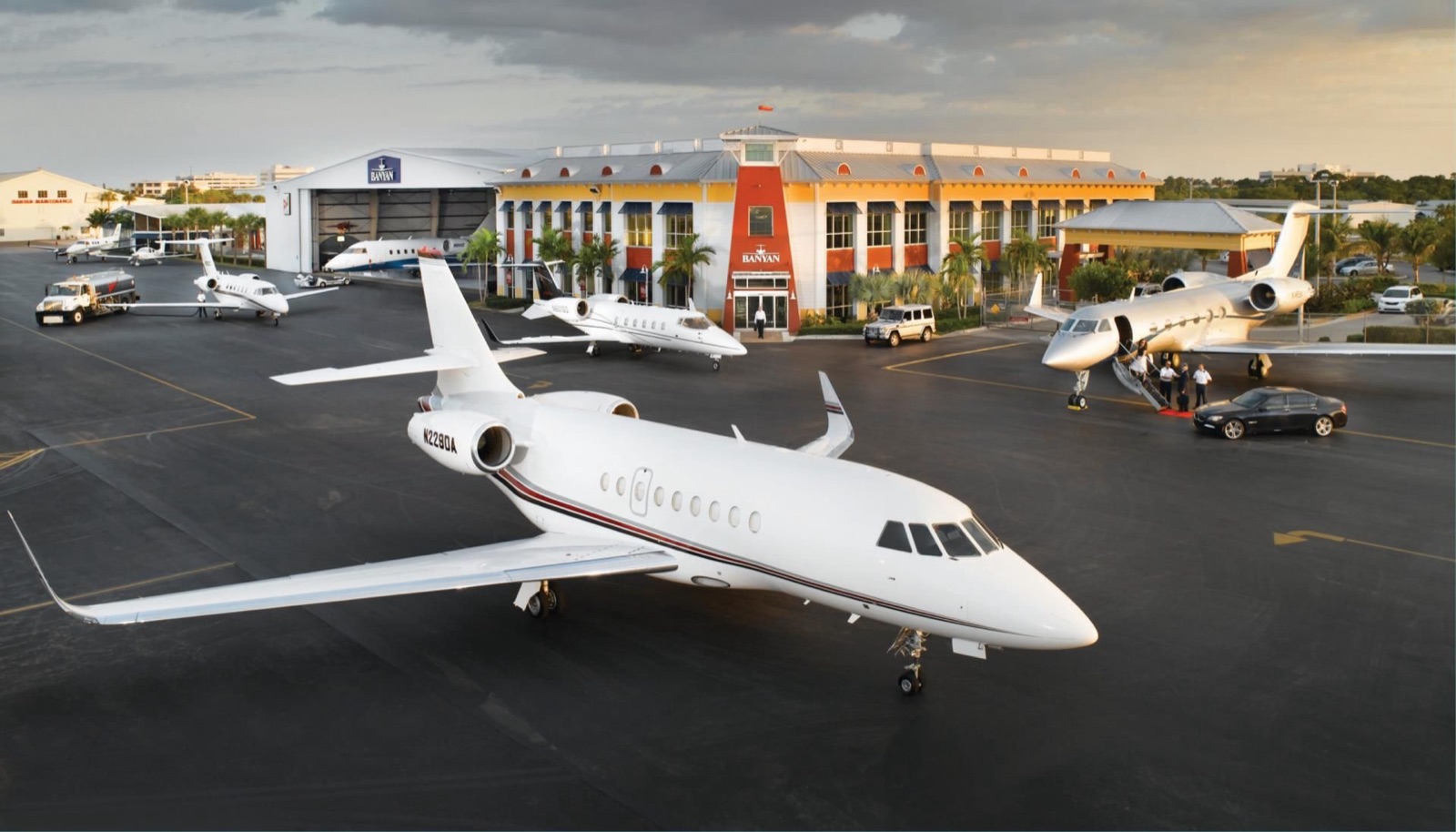
The Helicopter Ceiling, Nice to Monaco
Once your jet is at Nice, the principal has a choice. They can take a chauffeured car to Monaco (45 to 90 minutes depending on traffic), or they can take a seven-minute helicopter flight. During the Grand Prix weekend, there is no choice. The coastal road into Monaco is closed, restricted, or gridlocked depending on the day, and the helicopter is the only realistic transfer.
The helicopter route from Nice to Monaco is operated by two companies: Monacair (a subsidiary of SBM, the Société des Bains de Mer that owns the Hôtel de Paris and the Casino) and Heli Air Monaco. Together they fly into the Fontvieille Heliport, which has eight pads, two of which sit on stilts directly over the Mediterranean. During the Grand Prix race weekend, Monacair alone operates up to 160 flights per day, with departures every fifteen minutes from morning through evening. Heli Air Monaco runs in parallel. Estimated capacity across both operators during peak Race Sunday is in the range of 1,500 to 2,500 passenger seats per day.
That sounds like enough. It is not.
For Cannes, the dynamic is the same in compressed form. The festival generates daily helitransfer demand between Cannes-Mandelieu, Nice, and the Cap d’Antibes properties (the Hôtel du Cap-Eden-Roc operates a private helipad and its own arrival pattern). Universal Weather notes that helitransfers are “one of the first things to tighten” once the festival opens.
Pricing during the Monaco window follows BLADE’s published rates: a regular-line seat from Nice to Monaco booked early costs a fraction of what the same seat costs last minute on Race Sunday, when the fare nearly doubles. Chartering a whole aircraft runs roughly double the per-seat cost, and Monacair’s H130 line allows up to six passengers per rotation.
If you are bringing a principal in on race weekend, book the helicopter when you book the slot at Nice. Not after. Not the morning of. We have had to send clients via boat from Antibes when the helicopter was unavailable, which is romantic in a brochure and miserable in reality.
The Alternates Most Brokers Miss
When Nice is full and your principal is on a Global 7500 with eight people and luggage for twelve days, the conversation shifts to alternates. Most published guides stop at Toulon-Hyères and Marseille. Both work for repositioning, but neither is convenient for the principal. The real alternates worth knowing are these.
Le Castellet (LFMQ), 75 kilometers west of Cannes and 100 kilometers from Monaco, accepts the full range of heavy and ultra-long-range aircraft. It is the most useful parking alternate during these windows for any aircraft over 35 tonnes. Hangar storage is available, the FBO is competent, and helicopter connection to the coast is straightforward. Our default during overflow is to land at Nice, drop the principal, and reposition the aircraft to Le Castellet for extended parking.
Olbia, Sardinia (LIEO) sits 270 kilometers south of Nice across the Ligurian Sea. The runway is 2,445 meters, fully compatible with BBJ, ACJ, Global 7500, G650ER, and Falcon 8X. The FBO (Eccelsa Aviation) is among the best in the Western Mediterranean. Olbia is not a substitute for Nice in terms of access to Cannes or Monaco. It is something else: a serious option for principals whose actual destination is a yacht in the Costa Smeralda or a villa in the Maddalena archipelago, and whose Cannes or Monaco appearance is one stop in a wider itinerary. We have routed several family groups through Olbia rather than Nice during this window, with the principal connecting by yacht or short helicopter hop.
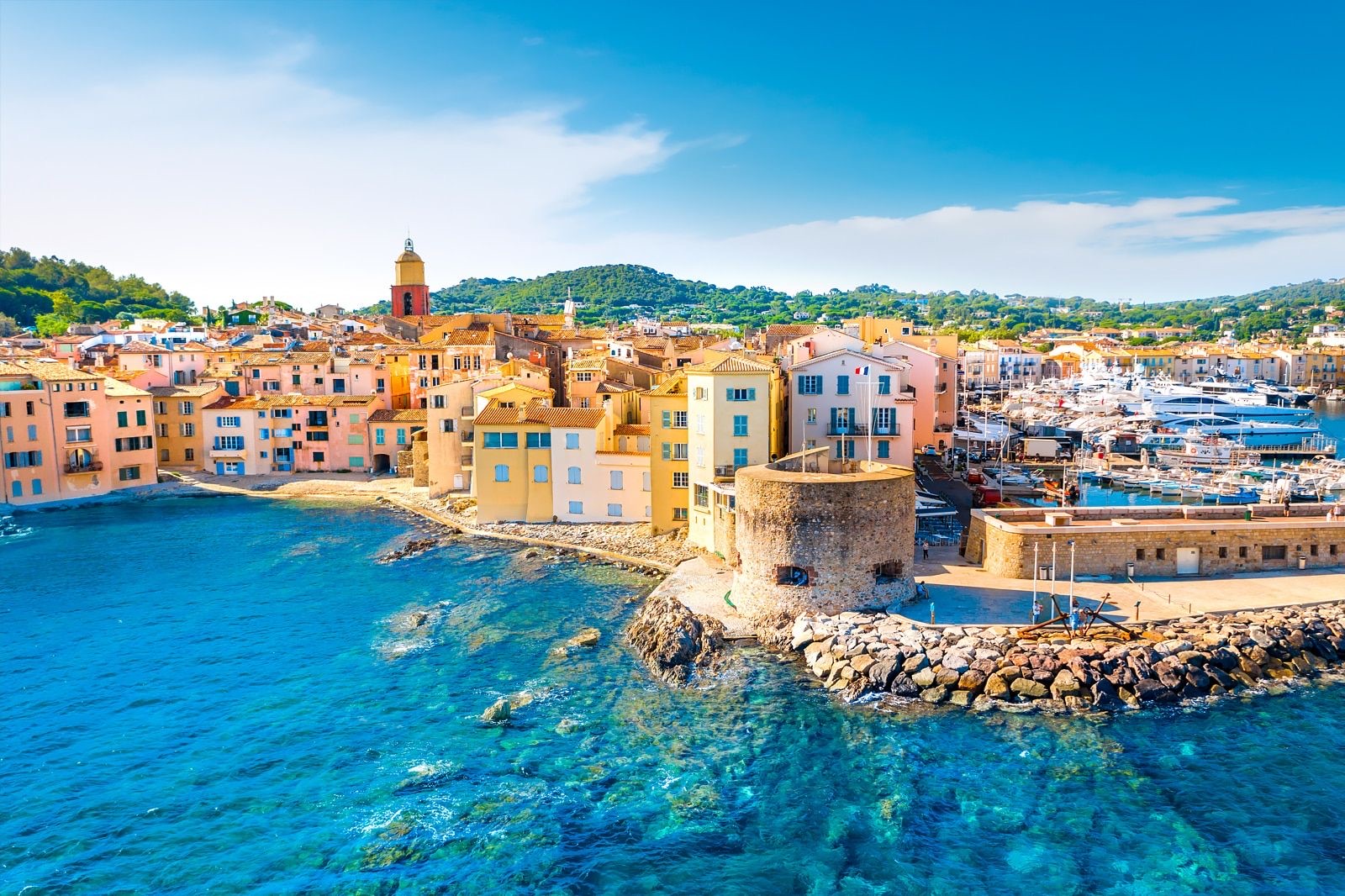
Saint-Tropez La Môle (LFTZ) carries two practical constraints. The airport runs daylight operations only, and the Non-Schengen border post operates from 15 June through 30 September. Outside that summer window, any arrival originating outside the Schengen area (a charter from London, Dubai, New York) cannot clear customs at La Môle and must reroute. Intra-Schengen movements (Geneva, Paris, Rome) remain available year-round, but the 1,180-meter runway restricts arrivals to light jets (Citation M2, Phenom 100, PC-12). For a UHNW principal on a heavy aircraft, La Môle is not part of this conversation.
Toulon-Hyères (LFTH) and Marseille-Provence (LFML) are mentioned in Universal Weather’s planning documents as alternates of last resort. They function for repositioning. They do not function as principal arrival points for a UHNW client whose itinerary is on the Riviera.
The Cabin War: BBJ for Family Groups
A pattern we have seen accelerate over the past three years and that is fully visible in this year’s bookings: extended UHNW families are increasingly choosing to charter an entire VIP airliner rather than two or three heavy jets.
The aircraft in question are the Boeing Business Jet family (BBJ 737, BBJ 777, BBJ 787) and the Airbus Corporate Jet family (ACJ319, ACJ320, ACJ330, ACJ350). These are passenger airliners converted to VIP configuration with bedrooms, full bathrooms with showers, conference suites, and lounges. An ACJ319 typically delivers 1,200 square feet of cabin floor; an ACJ330 closer to 2,000.
The math works at scale. For a multi-generational family group of fifteen to thirty passengers on a route of six hours or longer, a single BBJ becomes competitive with multiple Gulfstreams once you factor in crew, repositioning, and the coordination overhead of flying in formation. For a transatlantic crossing, it often delivers superior per-seat economics versus two G650ERs, alongside dramatically better comfort.
A short list of who operates these at scale: Comlux (four BBJs in their fleet and the only ACJ220 operator in the world), Jet Aviation, and Clay Lacy. Availability during the 26-day window is limited and disproportionately booked by clients who confirmed in February and March.
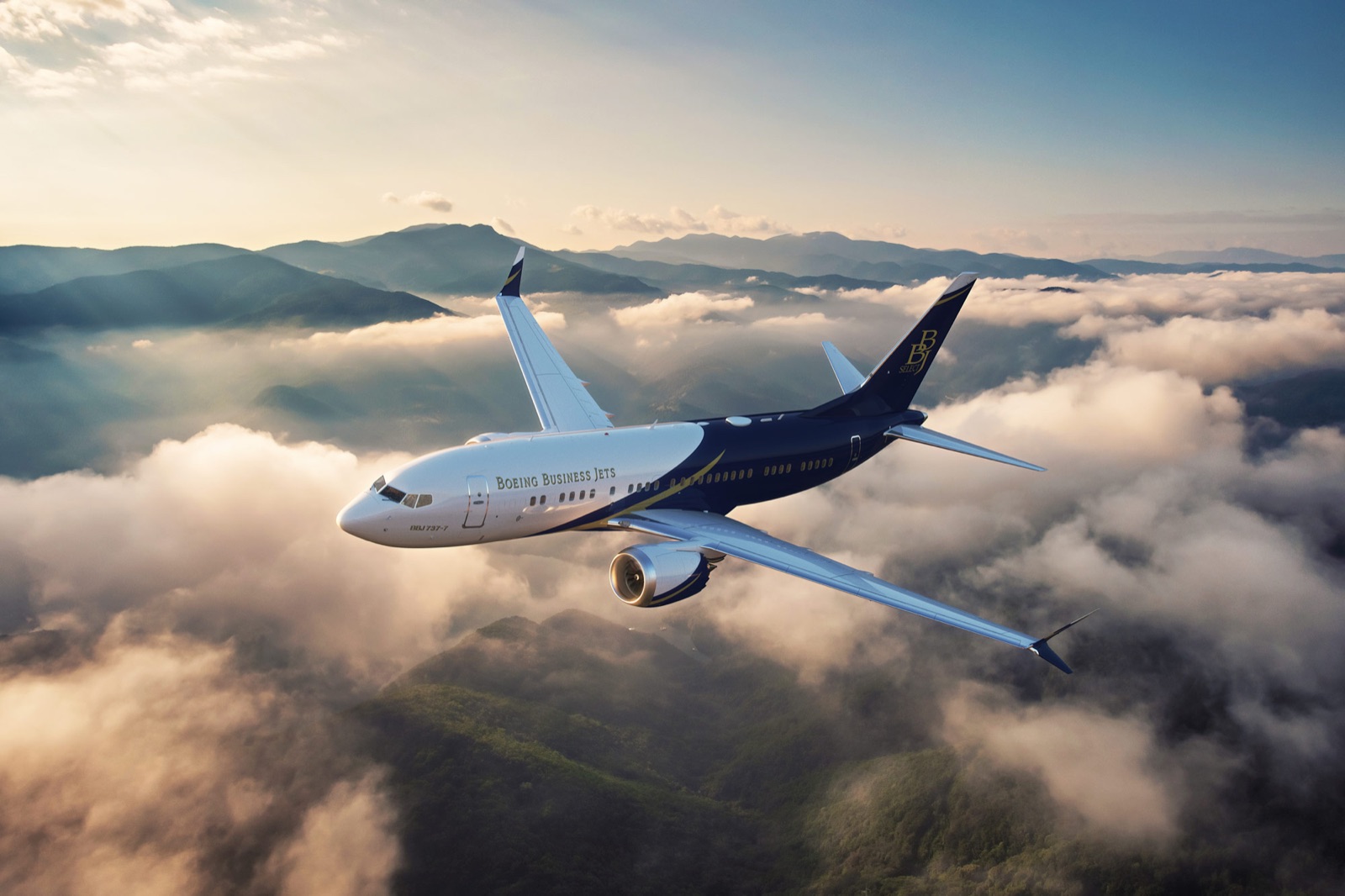
One critical operational point: every BBJ and every ACJ exceeds the 35-tonne MTOW limit at Cannes-Mandelieu. They will arrive at Nice. The helitransfer becomes mandatory, not optional. Build your plan with that constraint at the center, not as an afterthought.
The ULR Asymmetric Play: US to Côte d’Azur Direct
For US-based principals, the question we get asked most often is whether they can avoid a connection through London or Paris and fly directly into Nice. The answer in 2026 is increasingly yes, and the aircraft making it possible deserve attention.
The Gulfstream G650ER, G700, and the new G800 are all capable of non-stop Teterboro to Nice (roughly 3,900 nautical miles), and the G650ER and G700 can manage Miami to Nice (4,500 nm) on standard eastbound winds (a jet stream tailwind on this leg typically saves 30 to 50 minutes). The Bombardier Global 7500 and the newly delivered Global 8000 have similar capability, with the Global 8000 setting industry records as the fastest civil aircraft since Concorde. Dassault’s Falcon 10X is the European challenger and is expected to enter service later this year.
NetJets is the launch customer for the Global 8000, with 24 of the type on order; the first deliveries entered service in late 2025. VistaJet has announced the conversion of 18 of its existing G7500 fleet to G8000 specification, at a cadence of approximately two aircraft per month through to the end of 2026. By the 2026 Monaco Grand Prix, our expectation is that more than half a dozen Global 8000s will be available on the charter market for this exact corridor.
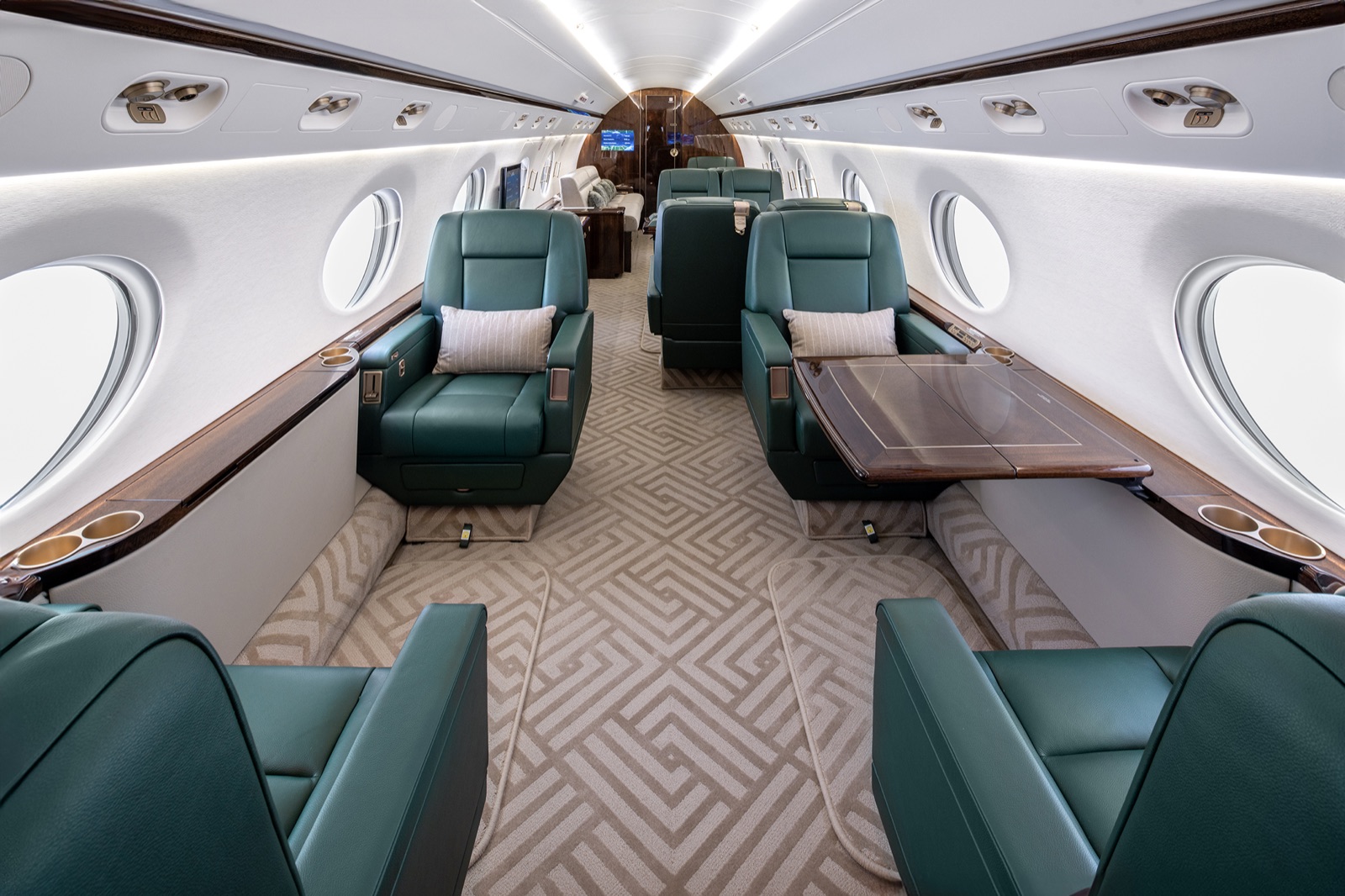
The implication for planning is straightforward. If your principal is on the East Coast, the West Coast, or in Florida, you can now build a Côte d’Azur trip without a stop. The aircraft availability is real. The slot, the parking, and the helicopter remain the constraint.
The Crew Rest Trap (the one most brokers miss)
The constraint that quietly grounds more UHNW aircraft during this window than any slot or parking issue is the one your principal will never see: crew duty time.
Under both FAA Part 91 and EASA flight time limitation rules, a two-pilot crew on a typical charter operation has a maximum flight duty period of around fourteen hours, after which a hard rest period of ten to twelve hours is required before the next leg. The clock starts when the crew shows up for the flight, not when wheels leave the ground.
This is where Le Castellet starts to bite. If your aircraft repositions seventy-five kilometers west to LFMQ for parking, the crew typically still sleeps on the Riviera. That means a one-hour transfer back to the aircraft on departure morning, sitting on top of pre-flight, fueling, and any slot delay. Two cars stuck in Monaco GP traffic between Nice and Le Castellet can push the crew duty day past the limit before takeoff. The aircraft does not move. The principal misses the slot, the helitransfer, and the hotel check-in window.
The defensive move is to plan the crew’s hotel deliberately, not by default. For a heavy aircraft repositioning to Le Castellet, we book the crew in Bandol or La Ciotat (twenty minutes from LFMQ) rather than Nice. For a Nice-based aircraft with a long stay, we let the crew rotate through a Nice property and hold the duty clock for the principal’s return slot, not for an intra-Riviera positioning hop.
A broker who has been through one race weekend understands this. A broker who has not will quote you a beautiful itinerary that collapses at 06:00 the morning of the return.
What This Means If You Are Planning Now
If you are reading this in mid-May and you need to move a principal into the Riviera before the Grand Prix concludes on 7 June, here is the order of operations our team uses.
First, lock the Nice slot. COHOR coordination through your operator should be in motion within the day. Confirm the FBO, default to Signature unless your principal has a preference. Build the inbound and the outbound slots together; do not leave the return for later.
Second, decide where the aircraft sleeps. If the trip is less than 48 hours, plan for Nice parking with the FBO surge rate built into the budget. If it is longer, pre-arrange Le Castellet repositioning at the time of the inbound slot booking, not after the fact.
Third, book the helicopter. Monacair or BLADE for the regular line, charter for the principal-only legs. For Race Sunday specifically, book the helicopter at the same time as the slot. Capacity is not flexible on race day.
Fourth, if your principal is on a BBJ, an ACJ, or any other aircraft over the 35-tonne MTOW, do not waste time investigating Cannes-Mandelieu. The aircraft is going to Nice and the principal is going by helicopter. Build the plan from that constraint.
Fifth, if Nice is genuinely full and a heavy aircraft cannot be accommodated, the alternate is Olbia, not Toulon. The principal will transfer to the Riviera by yacht or by a short repositioning leg.
The 26-day Riviera window is a single operational event, not two. Plan it as one, and the aircraft, the helicopter, the parking, and the hotel will arrange themselves around the slot at Nice. Plan it as two separate events, and something will be missing on the day the principal needs it.
If you are working through a specific itinerary inside this window and want our team to source the aircraft and coordinate the slot, you can reach us at sales@transworldjets.com. We are seeing the corridor in real time this week.
Ryan Curtis
Ryan Curtis is the Vice President of Trans World Jets, overseeing charter operations, aircraft sourcing, and client relationships. With over two decades in private aviation brokerage, Ryan focuses on matching clients with the right aircraft for missions ranging from last-minute business travel to multi-leg international tours. He works alongside his brother Evan at Trans World Jets in Jupiter, Florida.
Planning your own charter?
Every mission is different. Reach out for a personalized quote from a broker who handles flights like these every day.