
How We Chartered a Pet-Friendly Heavy Jet to Saint-Tropez for Four Large Dogs
Most operators will tell you they allow pets, but the reality is more complicated when you're flying to Europe with four large dogs in the cabin. Here is how we arranged this mission, the paperwork we handled, and what it actually cost.
When a returning client called earlier this year asking if we could fly his family and four large dogs to Saint-Tropez for the summer, he expected a two-minute conversation. He had chartered with us three times before, always without pets. This time the dogs were coming. It took me a full afternoon to put this trip together and I want to share exactly why, because the phrase “pet-friendly charter” hides a lot of complexity that only comes up once you start working through the details.
The Request
The client wanted to leave a Northeast US airport on a Friday afternoon in late June. Six adults, two teenagers, four adult dogs averaging 70 pounds each. Two Labradors, one German Shepherd, one Bernese Mountain Dog. All family dogs, calm, fully vaccinated, but large enough that no operator would accept them in a light jet. Minimum cabin size from the start.
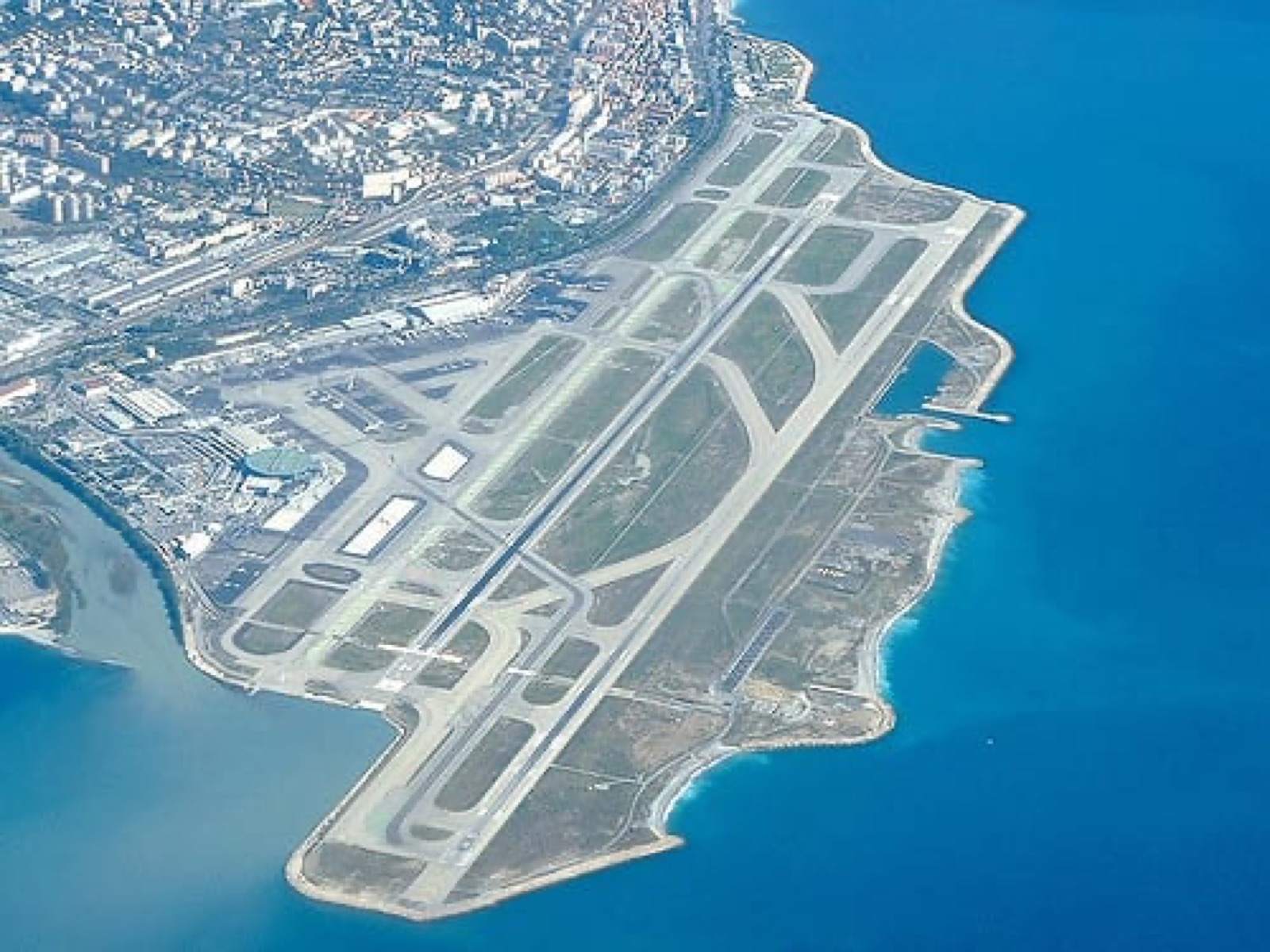
Destination was La Mole, the private airport closest to Saint-Tropez, which has its own set of considerations because the runway is short at around 5,000 feet and restricted to smaller jets during peak summer traffic. Not every heavy jet can operate there.

What “Pet-Friendly” Actually Means
I want to clear this up because it trips up first-time clients constantly. When an operator says “pets welcome,” that can mean any of the following:
- Pets allowed in cabin on a leash or in a carrier (most operators)
- Pets allowed unrestrained on the cabin floor (fewer operators)
- Pets allowed on seats with a waiver (rare)
- Pets allowed above a certain weight threshold (very rare, usually 50 pounds max)
- No pets on international flights under any circumstances (some European operators)
For four 70-pound dogs, we needed category three or four. That eliminated roughly 80 percent of the operators I would normally approach for a Saint-Tropez trip. The remaining 20 percent had to also operate a heavy jet capable of a transatlantic flight.
The Operator Search
I went through our partner database and identified seven operators with heavy jets certified for transatlantic operations who had some form of pet policy on file. I called or emailed all seven on the same day.
Three declined once they understood the dog sizes. One said yes but only to a Falcon 7X and only if the dogs were crated the entire flight (the client declined). Two said yes to a Global 6000 or Gulfstream G550 without crates required. One said they could do it but their nearest available aircraft was in California and the positioning cost would add $40,000.
We went with the operator whose G550 was based closest to the client’s departure airport, which saved roughly $18,000 in positioning fees compared to the California alternative.
The Paperwork Nobody Mentions
Flying dogs into France requires more documentation than most clients expect. For each dog, we needed:
- EU-compliant pet passport or equivalent EU health certificate issued within 10 days of travel
- Up-to-date rabies vaccination with proof of titer test for older vaccinations
- ISO-compliant microchip (not all US microchips qualify)
- Veterinary exam within 48 hours of departure
- Advance notification to French customs for animal arrivals at private airports
One of the dogs had an older AVID microchip that was not ISO-compliant, which meant the owner had to either have a new ISO chip implanted (which the vet did in 10 minutes) or bring a universal scanner that reads non-ISO chips (French customs does not always have these). The vet handled the chip replacement the week before departure.
I coordinated all the paperwork with the client’s vet to avoid last-minute surprises at the airport. This is the kind of thing that can ground a flight if you handle it the day of departure.
The Actual Cost Breakdown
Here is the final invoice, rounded for clarity:
- Aircraft hourly charter (12 hours flight time round trip, heavy jet): $156,000
- Transatlantic fuel surcharge: $14,500
- Repositioning fees (operator base to client airport and return): $6,800
- La Mole landing and handling fees (peak summer rate): $4,200
- Pet cleaning fee (operator standard, 4 dogs x $400): $1,600
- Catering for 8 passengers plus pet-friendly accommodations: $2,400
- French customs advance notification fee: $180
- Federal excise tax: Not applicable (international flight)
- Departure airport fuel tax: $1,900
- Final total: approximately $187,580
For reference, the same trip without pets on the same aircraft would have cost the client roughly $168,000. The pet-related surcharges added about $19,000 to the base price, split between the cleaning fees, the operator preference for certain airframes, the limited availability pool, and the absence of the cheapest alternative (California repositioning).
What Made This Work
A few things that mattered and that are worth knowing if you are planning a similar trip:
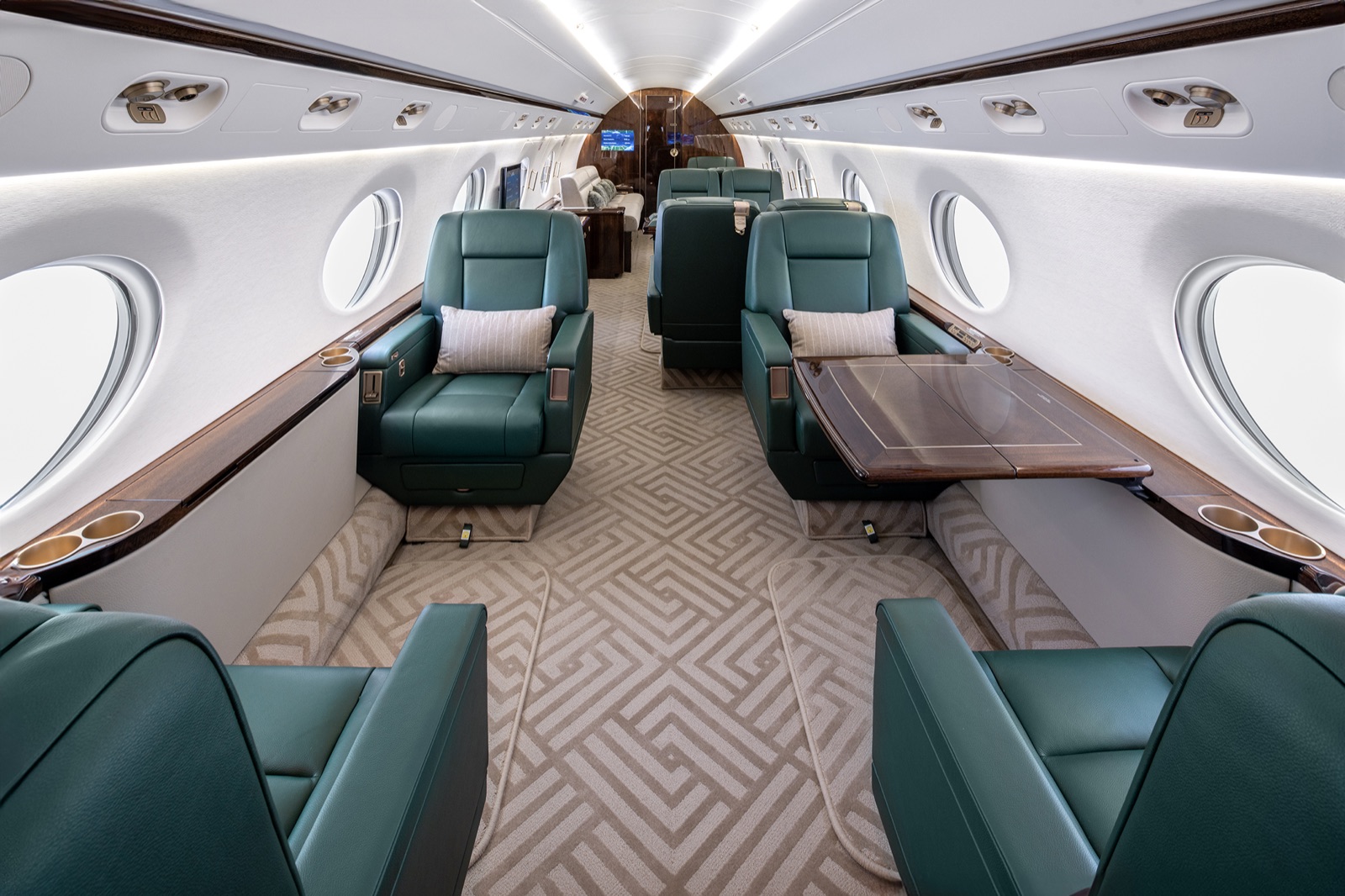
The dogs actually flew calmly. This is not guaranteed. We had briefed the client to give the dogs a familiar toy and to keep them well exercised before boarding. The operator had a cabin attendant experienced with large dogs and prepared blankets on the floor near the rear divan. The dogs slept most of the flight.
We used a G550 instead of a Global 6000 by choice. Both could have flown the mission. The G550 has a slightly wider main cabin floor area, which matters when you are fitting four large dogs plus eight humans. Small detail, real impact.
Advance French customs notification saved us 90 minutes on arrival. La Mole has small customs facilities and animals without pre-notification can sit on the ramp for over an hour waiting for an officer to arrive. We had the paperwork filed 72 hours before takeoff.
What I Tell Every Client Asking About Pets Now
If you are thinking about flying your pets on a private jet charter, here is the honest guide:
-
Size matters enormously. Anything above 40 pounds dramatically limits your operator pool. Above 60 pounds, you are paying a premium automatically.
-
Tell your broker upfront, not mid-booking. Adding pets after you have a quote often means re-opening the entire operator search. Mention the animals in the first call.
-
International flights have country-specific rules. EU, UK, Switzerland, and Caribbean nations each have their own pet import regulations. Your broker should be handling this, but ask who is responsible for the paperwork.
-
Budget 10 to 15 percent more than a no-pet charter for the same route and group size. Sometimes more if the operator pool is small.
-
Do not buy your own chip or vaccination on a Friday for a Sunday flight. Vets need 24 to 48 hours to process health certificates properly. Plan a week in advance.
-
Pets go in the cabin, always. Never accept an operator who wants to put your dog in the unpressurized baggage hold. That does not apply to private jets the same way it might to commercial airlines.
If you are planning a trip with pets and want an honest assessment of what is possible and what it will cost, reach out. We have done enough of these now that we can usually price the mission and flag any issues in a single conversation.
Ryan Curtis
Ryan Curtis is the Vice President of Transworld Jets, overseeing charter operations, aircraft sourcing, and client relationships. With over a decade in private aviation brokerage, Ryan focuses on matching clients with the right aircraft for missions ranging from last-minute business travel to multi-leg international tours. He works alongside his brother Evan at Transworld Jets in Jupiter, Florida.
Planning your own charter?
Every mission is different. Reach out for a personalized quote from a broker who handles flights like these every day.