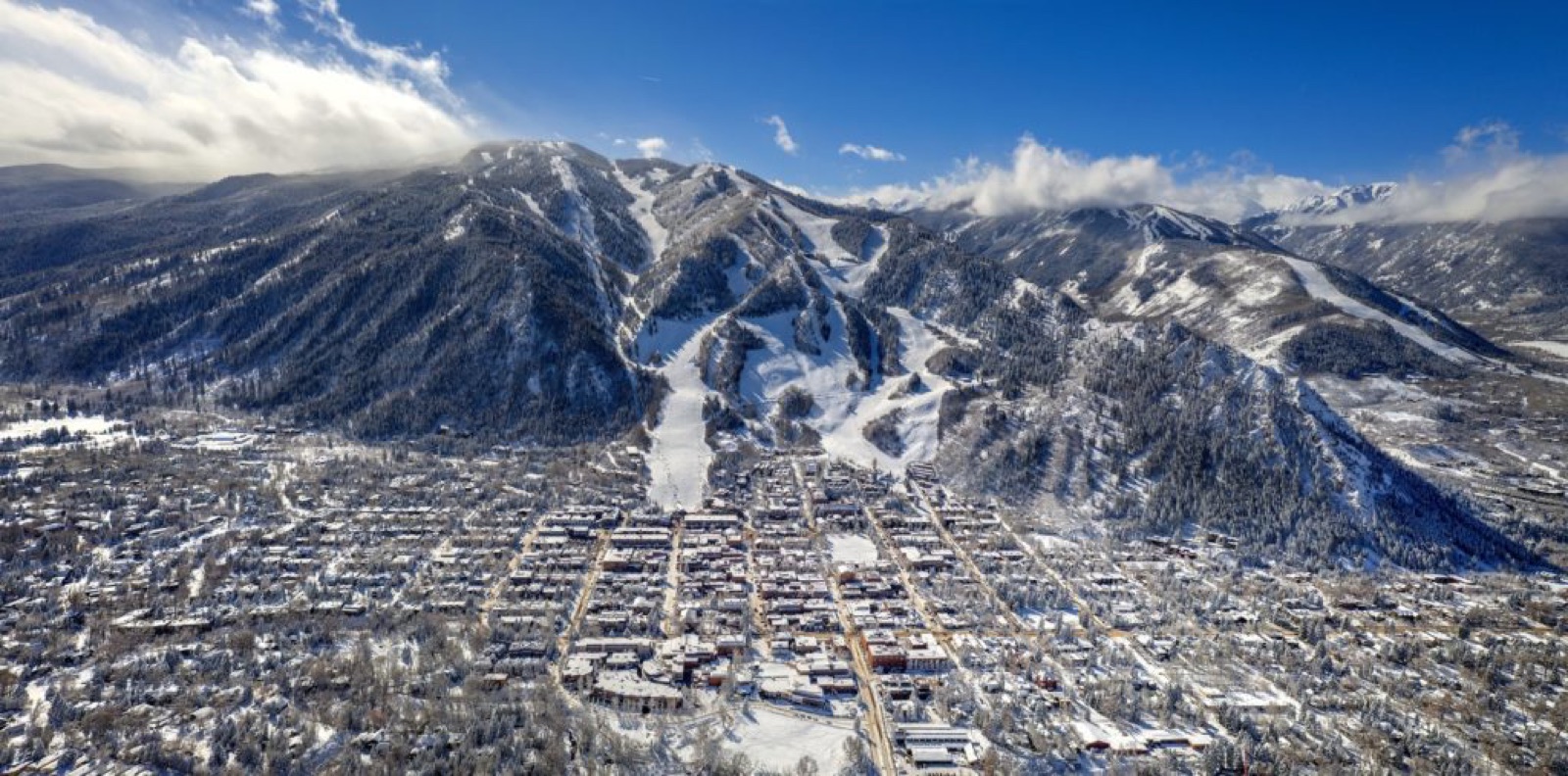
Last-Minute Aspen Charter in Peak Ski Season: Here is What It Actually Takes
Booking a private jet to Aspen with less than 48 hours notice during February ski season is one of the hardest missions a broker can run. Here is a real example, the three alternate airports we had to consider, and the premium the client paid to get there on time.
A client called me on a Thursday evening in mid-February. He needed to be in Aspen by Saturday morning for a family event. He had tried to book commercial and the flights were either sold out or arriving at times that would not work. He had called two other brokers and both had quoted him numbers he described as “insane.” He wanted to know if I could do better.
Two days notice. Peak Aspen ski season. Group of 5 adults and 2 children with a week of ski equipment. This is one of the hardest combinations in private aviation. Here is exactly what we had to do to make it work.
Why Last-Minute Aspen in February Is So Hard
Three structural reasons that most first-time clients do not understand.
First, Aspen-Pitkin County Airport (KASE, also known as Sardy Field) has runway restrictions. The runway is short for a mountain airport at around 8,000 feet, and because of terrain and elevation, only certain aircraft can land there. No large business jets. No VIP airliners. Basically the cap is super-midsize or lighter with specific performance certifications.
Second, KASE has slot restrictions during peak season. The FAA and the airport manager limit the number of arrivals per hour during the busiest winter weekends. That means even if an aircraft can land there, it might not have a slot when you want it.
Third, every jet card member and every fractional owner wants Aspen in February at the same time. NetJets and Flexjet reserve aircraft for their members weeks in advance during peak season. That soaks up a huge portion of the available fleet before charter brokers even get access.
Result: a 48-hour lead time in mid-February is the worst possible combination for this destination.
The Initial Phone Calls
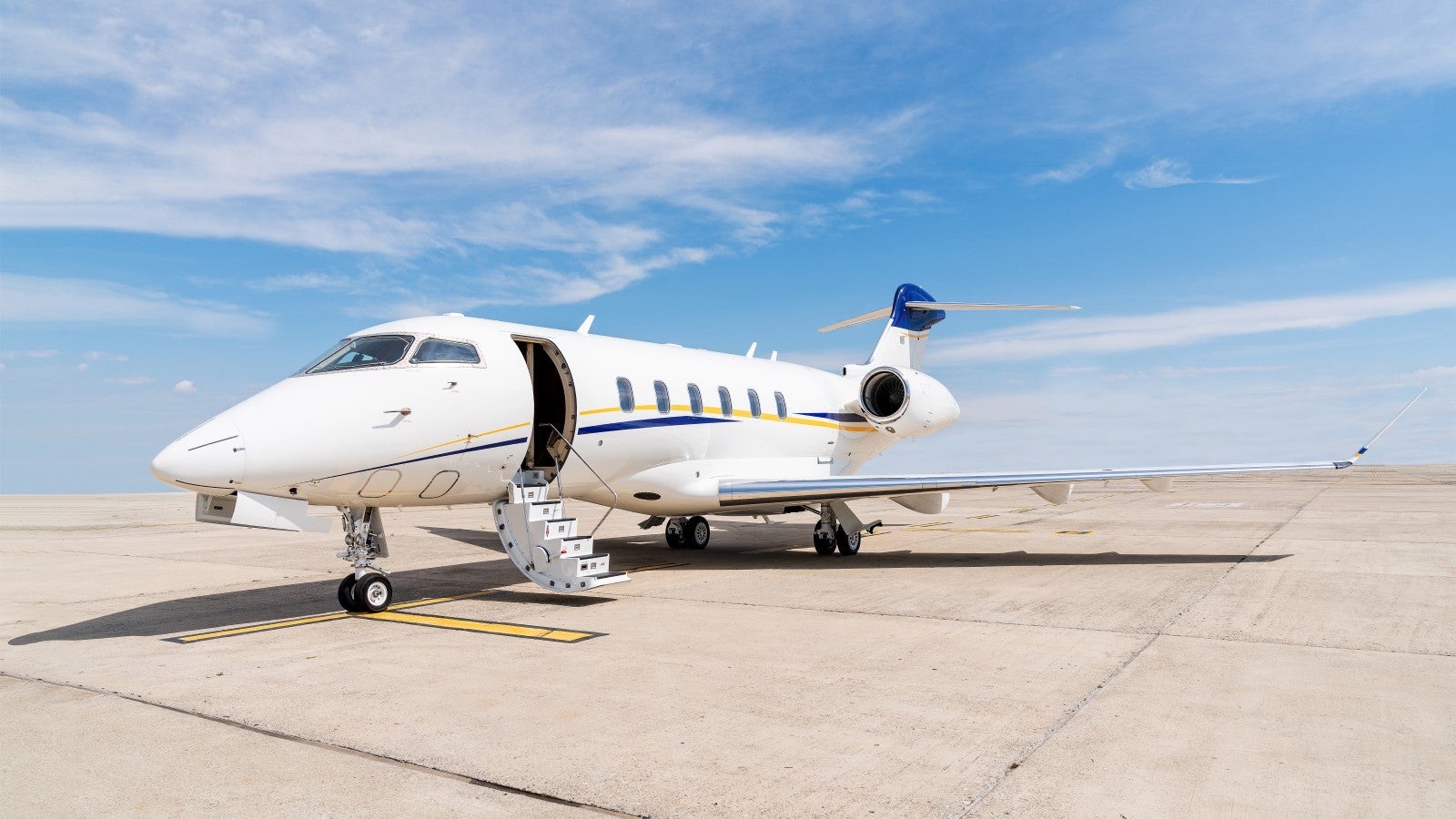
I called eight operators that Thursday evening. Three were flatly unavailable, no inventory. Two had aircraft but they were out of range for the performance requirements at KASE (the higher the outside temperature, the more demanding the runway becomes, and February sunny days at altitude can require extra performance margin). One had an aircraft but no available crew with the Aspen qualification on file. Two had aircraft and crew but wanted to discuss pricing.
KASE requires that the pilot in command has specific Aspen training or prior experience at the airport. Not every certified crew has that qualification, which narrows your pool even further at short notice.
Of the two willing operators, one quoted $58,000 one-way from the client’s Northeast departure airport to Aspen on a Citation XLS+ (a super-light with the right performance). The other quoted $72,000 on a Challenger 350 (super-midsize, more cabin space). The client had priced the same trip through another broker earlier that day at $95,000 on the XLS+. He was already saving money on my lower quote, but I knew we could do better with one more move.
The Alternate Airport Play
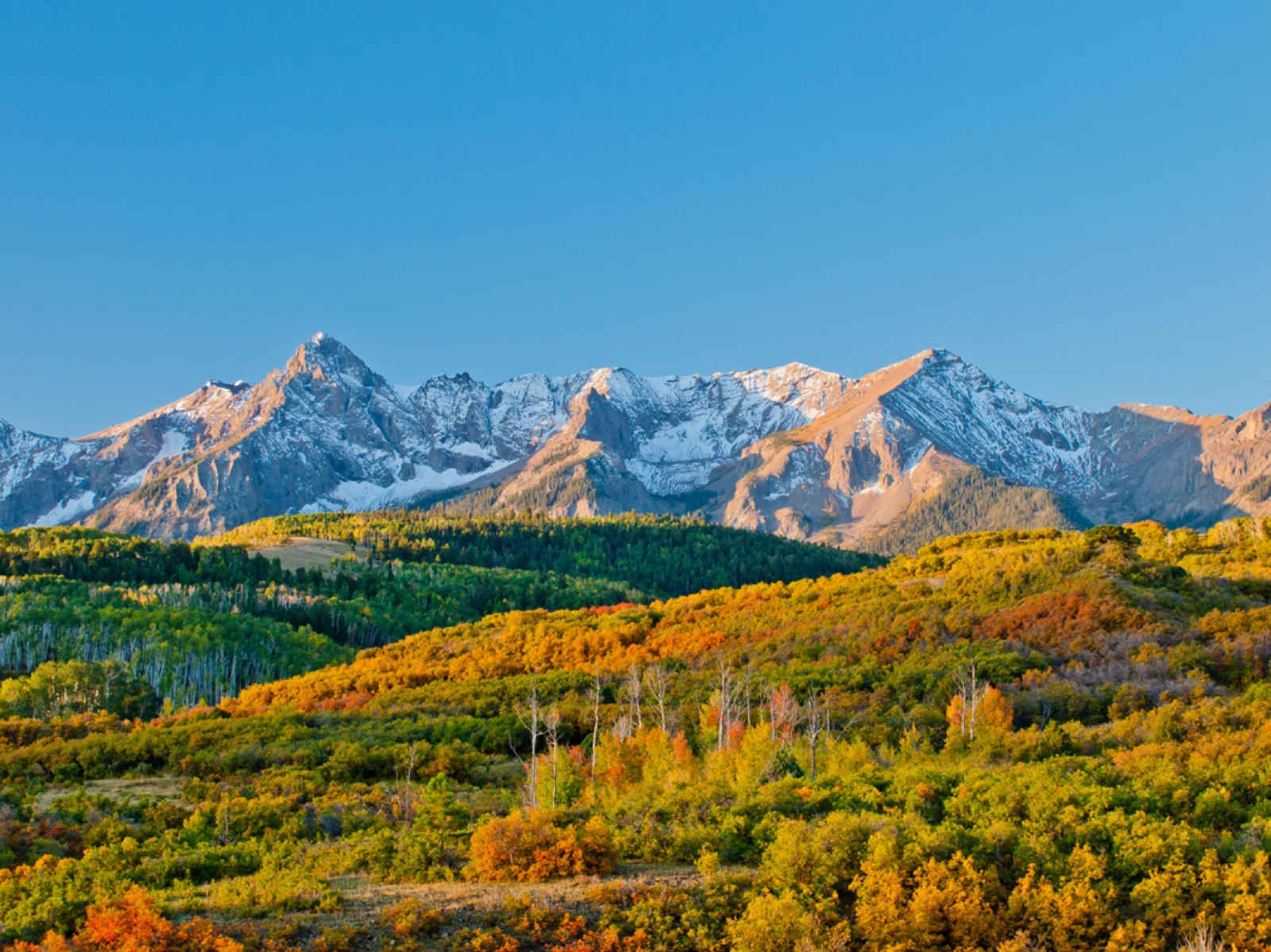
This is the broker trick for Aspen last-minute bookings in peak season. Sardy Field is not the only way to get to Aspen.
Option A: Eagle County Regional (KEGE), 70 miles west of Aspen. Longer runway, no slot restrictions, handles larger aircraft. The drive from Eagle to Aspen is about 90 minutes in winter, sometimes longer if I-70 has weather delays. Ground transportation can be arranged in advance.
Option B: Grand Junction Regional (KGJT), about 2.5 hours from Aspen. Much larger airport, almost always available, but the drive is long and the route crosses mountain passes.
Option C: Rifle Garfield County Airport (KRIL), roughly 1 hour from Aspen. Moderate-sized regional airport, reasonable drive, no peak restrictions.
I went back to the client with the math. Flying into Eagle on the Challenger 350 would cost roughly $51,000 round trip, save the slot issue entirely, and add 90 minutes of driving each way. Flying into Aspen direct on the XLS+ would cost $116,000 round trip and land him at the right airport. The difference was $65,000 for 3 hours of cumulative driving.
The client took 5 minutes to decide. He booked Eagle.
The Ground Game
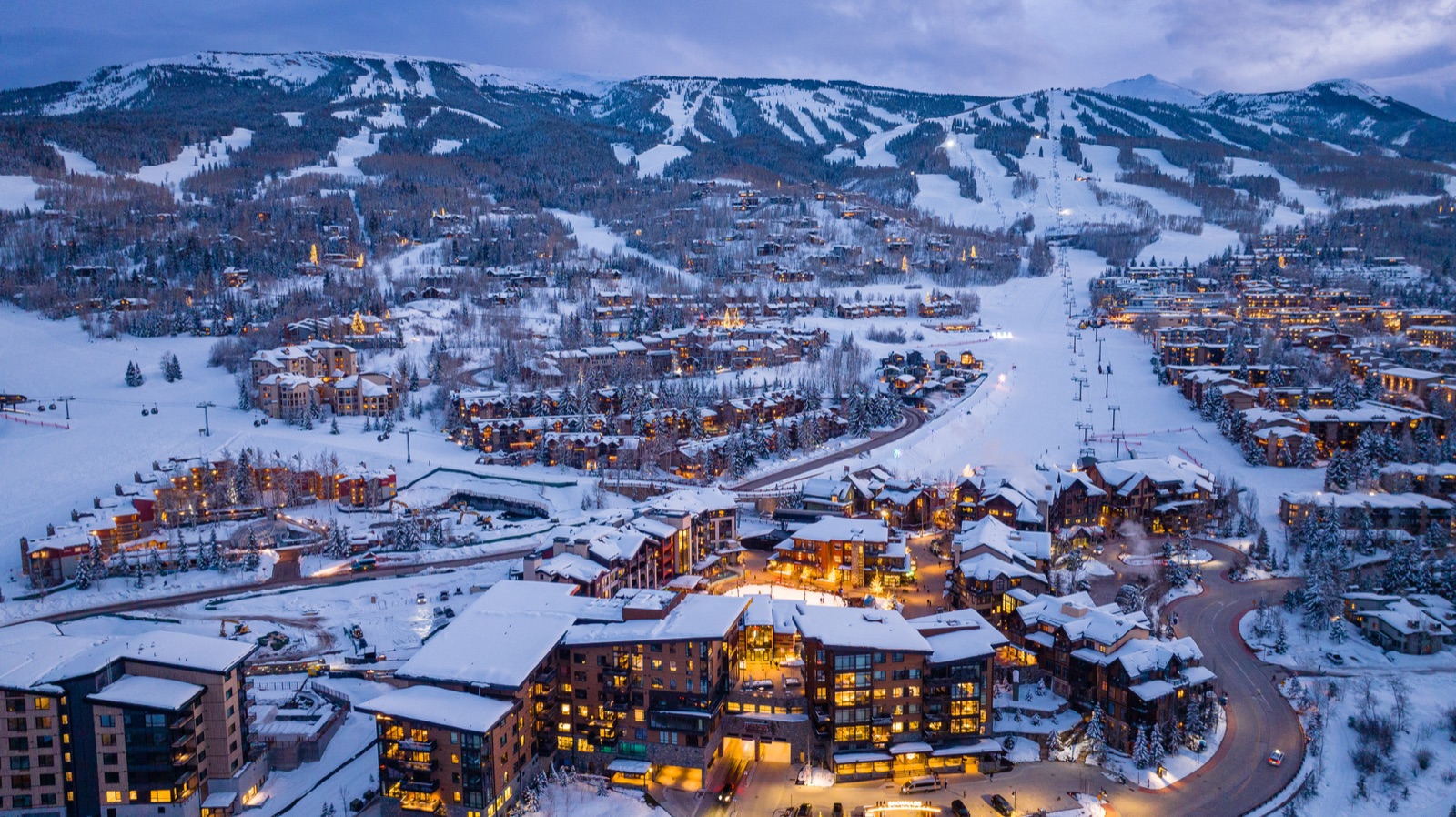
We arranged a pre-booked car service with snow-capable SUVs waiting at Eagle FBO at arrival. The drive from Eagle to the Aspen hotel took 95 minutes, exactly as planned. The kids watched a movie on iPads. The adults used the time to check into the hotel remotely via phone before arriving.
The return three days later was a mirror image. Eagle on the same Challenger 350, arranged to depart early enough that the crew had their required rest and Aspen traffic on I-70 was light.
The Actual Cost Breakdown
Here is the final invoice, rounded for clarity:
- Aircraft hourly charter (Challenger 350, ~9 flight hours round trip): $38,500
- Repositioning fees (operator base to departure airport and return): $6,200
- Eagle County landing and handling fees: $1,400
- Departure airport handling: $650
- Federal excise tax (7.5%): $3,466
- Catering: $1,100
- Ground transportation (2 SUVs with drivers, round trip including hotel transfer): $2,800
- Crew rest hotel in Eagle (1 night): $420
- Final total: approximately $54,536
The client had been quoted $95,000 by another broker for a direct-to-Aspen flight on a smaller aircraft. He paid $54,536 for more cabin space, a more comfortable aircraft, and a 95-minute drive on the back end. Net savings: roughly $40,000 against the first quote he received, for a small compromise on the arrival logistics.
What This Mission Actually Taught Me
A few observations that I keep coming back to when I plan winter Aspen trips now:
The alternate airport play saves clients money most of the time, not just in emergencies. I now offer Eagle as a first option for any Aspen charter where the client arrives with luggage, skis, or a group larger than four. It is almost always cheaper and usually more comfortable on a larger aircraft.
Last-minute does not always mean expensive. The first quote is rarely the best quote. Two hours of phone calls to operators saved this client $40,000. The broker’s job is to make those calls.
The pilot qualification filter is the hidden variable. Clients ask about aircraft availability. The real question is crew availability with Aspen training. Ask your broker about this explicitly for any mountain airport charter.
Driving 90 minutes at the end of a two-day-notice flight is almost always worth it. You are already in private aviation because of time and convenience, but ground transportation in Colorado winter is smoother and more reliable than most people expect.
The Broker Rules for Last-Minute Aspen
If you find yourself needing Aspen on short notice during peak season, here is the playbook I now run for every client in this situation:
-
Do not fixate on Sardy Field. Eagle, Rifle, and Grand Junction all work. Which one depends on your group size, luggage, and tolerance for driving.
-
Ask about crew qualifications, not just aircraft availability. A jet with no Aspen-qualified crew is useless to you.
-
Pre-arrange ground transportation before the aircraft is booked. Cars in Aspen during peak season get harder to find as the day goes on.
-
Expect to pay a 20 to 40 percent premium over normal rates. That is the reality of short-notice peak season. The broker’s job is to bring that premium down from the 100 percent some other brokers will try to charge.
-
If weather is in the forecast, lock in your alternate airport option in advance. Sometimes you have to divert mid-flight. Having a pre-planned alternate makes the diversion painless.
If you are looking at a similar trip and the quotes you are seeing feel wrong, reach out. I can almost always find a better path if you give me a few hours to work the phones.
Evan Grossman
Evan Grossman is the President of Transworld Jets, a private aviation brokerage based in Jupiter, Florida. With more than 15 years of experience arranging charter flights for corporate executives, families, and government clients worldwide, Evan specializes in complex logistics, medical evacuations, and VIP airliner charter. He founded Transworld Jets in 2011.
Planning your own charter?
Every mission is different. Reach out for a personalized quote from a broker who handles flights like these every day.