Single Private Jet vs Two Heavy Jets for 14 Executives: The Real Math Behind Large Group Charter
When a corporate team of 14 needs to fly together, is it smarter to charter one VIP airliner or split into two heavy jets? Here is what we learned arranging this exact mission to Aspen, with real 2026 cost numbers.
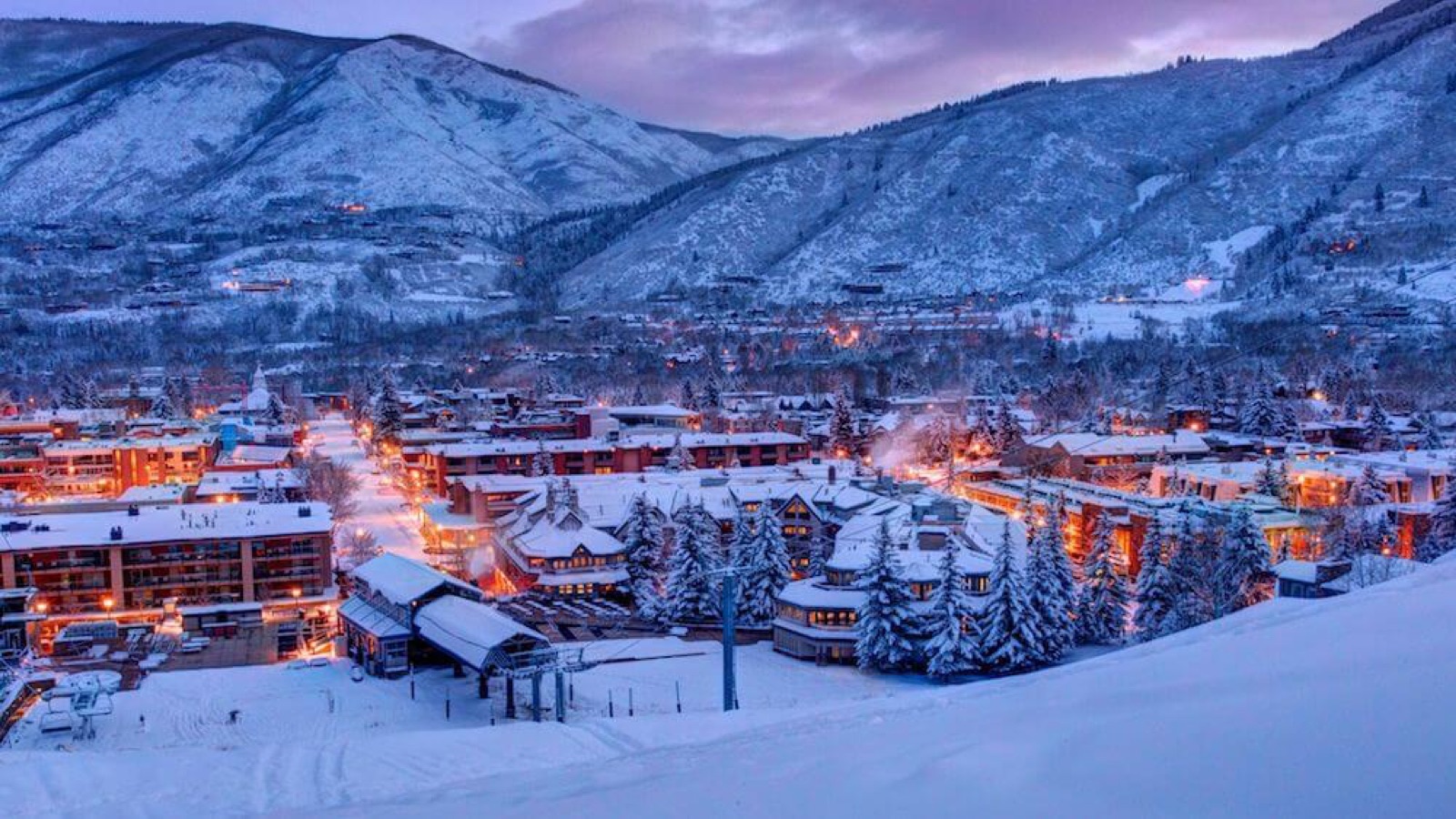
A few months ago, a long-time corporate client called with a logistics puzzle. His executive team of 14 people needed to be at a board retreat in Aspen for three days. The dates were locked, the group had to arrive together for a welcome dinner, and everyone wanted to work on the flight. The question he asked me was straightforward: “Should we take one big jet or split into two smaller ones?”
It sounds simple. It is not. Here is exactly how we worked through this decision and what the final breakdown looked like.
The Core Constraint: 14 People, Zero Flexibility
Most private jets in what we call the heavy category seat between 8 and 14 passengers comfortably. The moment you hit 14 adults with bags, laptops, and the expectation of working during the flight, you are pushing the ceiling of a single heavy jet. A Gulfstream G450 or a Challenger 650 can technically fit 14 seats, but in practice, once you add briefcases, rollerboard luggage, and people who want to spread out with a laptop open, it gets tight very fast.
For this client, “tight” was not acceptable. The retreat started the moment they boarded. They wanted to run a working session in the air, break into small groups, and land fresh.
That left two realistic options.
Option A: One VIP Airliner (Boeing Business Jet)
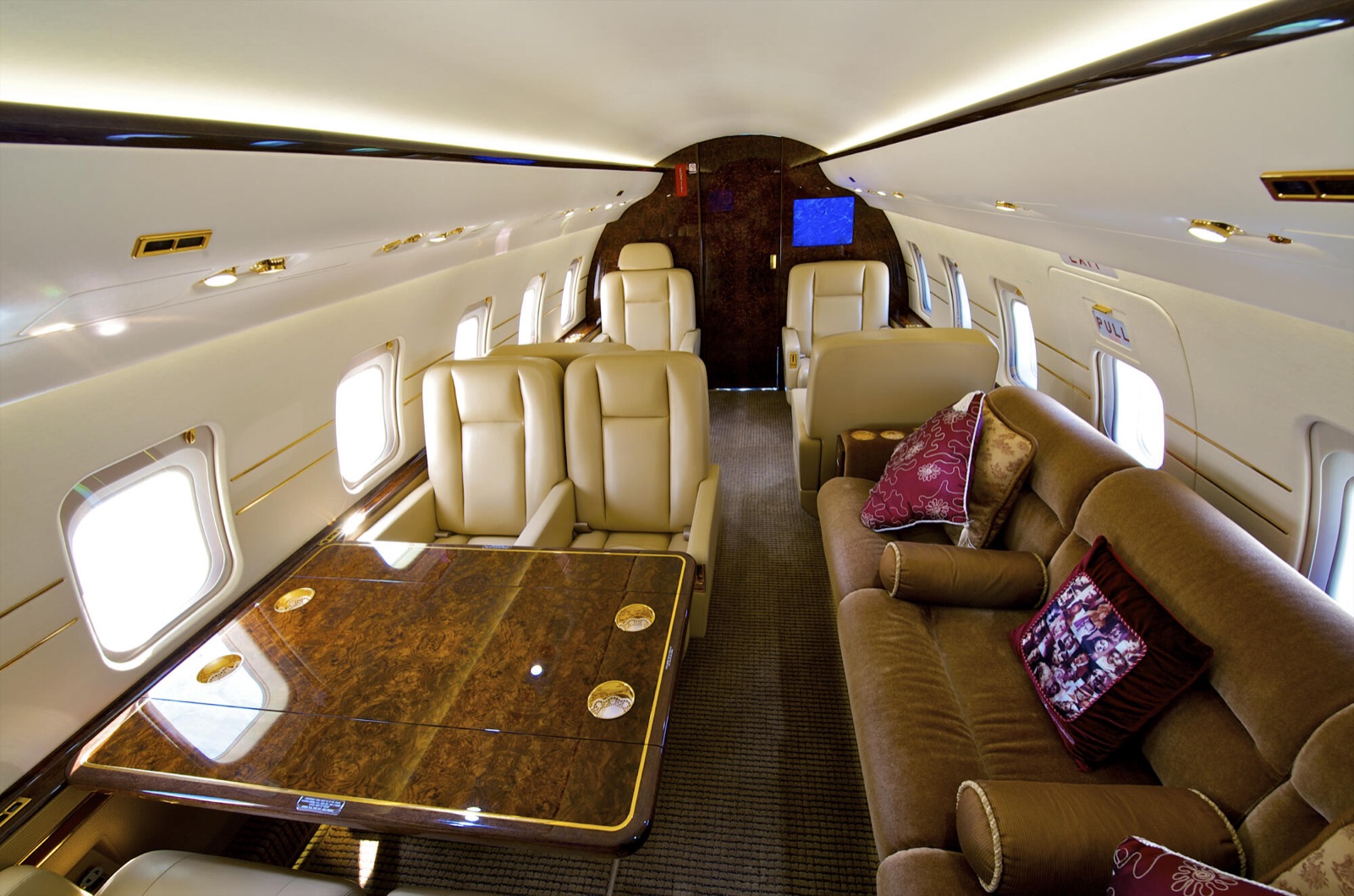
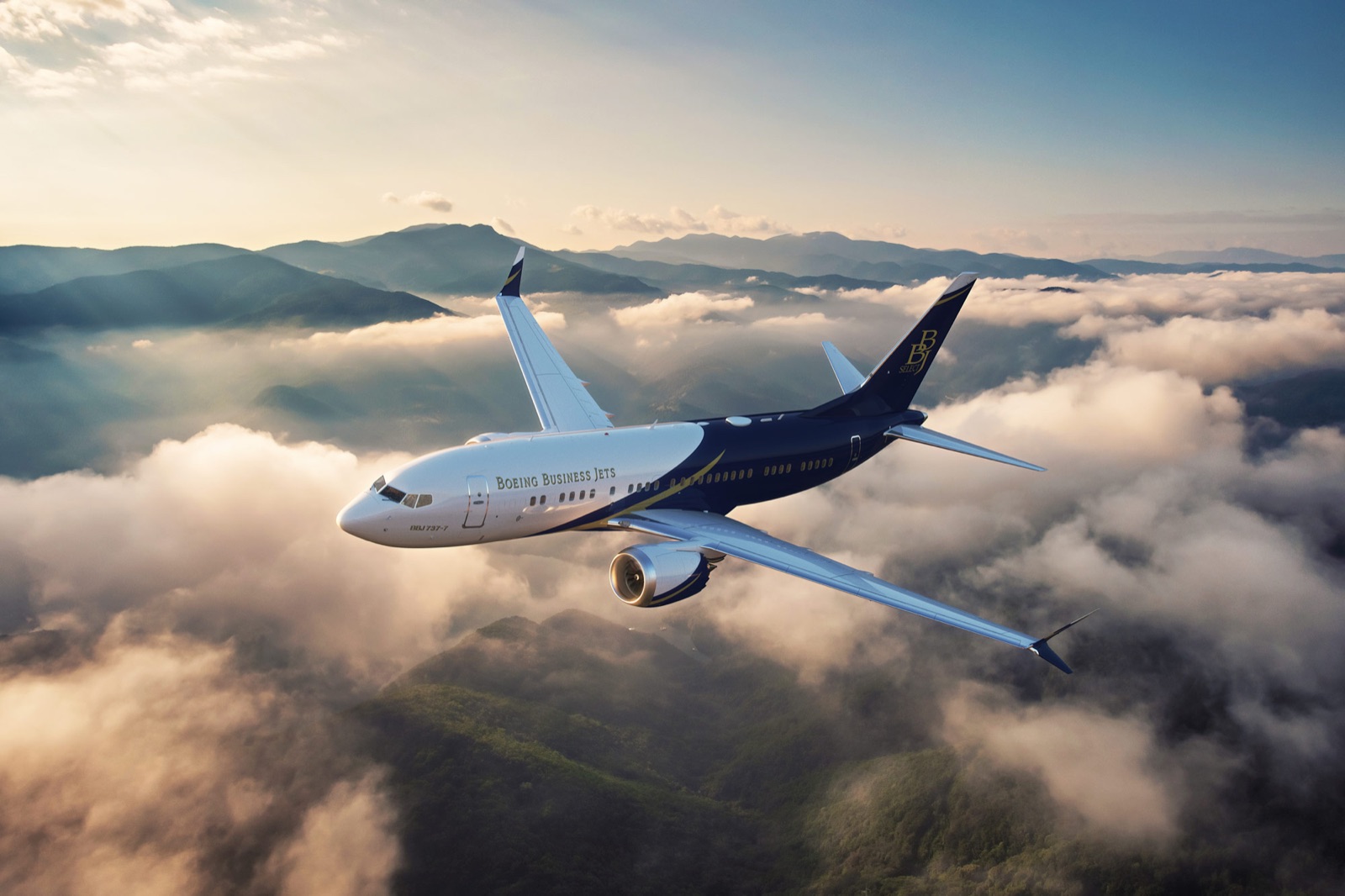
The first option was a single Boeing Business Jet, also called a BBJ. These are Boeing 737 airframes reconfigured for 16 to 32 passengers in full VIP layouts. They have separate conference areas, private staterooms, full galleys, and stand-up cabins. For 14 executives who want to work together in the air, a BBJ is effectively a flying conference room.
The catch is the price. A BBJ charter from the Northeast to Aspen typically runs between $28,000 and $42,000 per flight hour in 2026, depending on the specific airframe and the operator. The flight from Teterboro to Aspen is roughly 4 hours 30 minutes. Round trip with positioning fees, crew rest, and the minimum daily charge for holding the aircraft in Aspen for three days, we quoted this at approximately $285,000 to $320,000 all-in.
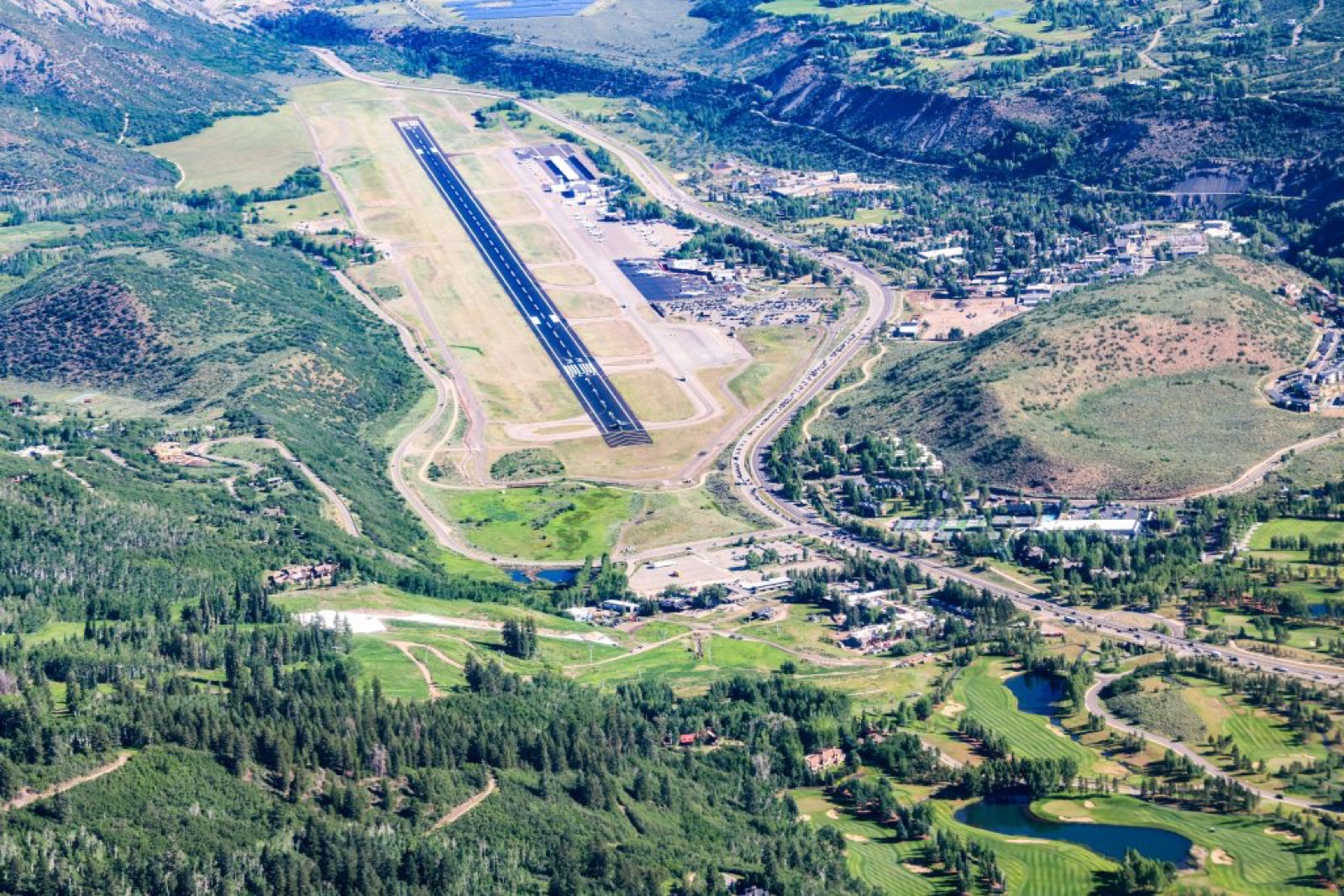
Aspen is also a restricted airport. Not every BBJ operator can land there due to runway length and performance requirements. That narrowed the available fleet to a handful of aircraft, which pushed the pricing toward the higher end.
Option B: Two Heavy Jets (Two Challenger 650s)
The second option was two Challenger 650s flying in parallel. Each aircraft carries 7 passengers comfortably with plenty of cabin space for working, and Aspen is a routine destination for this aircraft type.
Hourly rates for a Challenger 650 in 2026 sit between $9,500 and $11,500. Same route, same duration, but we needed to multiply most of the cost by two. Round trip with positioning, crew, and the multi-day hold in Aspen, we quoted this at approximately $175,000 to $210,000 all-in.
So on paper, the two-jet option was roughly $100,000 cheaper. If the decision was purely financial, it was already made.
Why the Client Chose the Single VIP Airliner Anyway
Here is where most cost-driven analyses miss the real calculation. The client did the math differently. For 14 executives whose billable hourly rate exceeds $1,500 each, losing the in-flight working session was not acceptable. Two separate aircraft meant two separate conversations, two separate teams, and no ability to make decisions as a full group in the air. His CFO calculated that the value of 4 hours of full-team strategic work, with every decision-maker in the same room, was worth more than the $100,000 premium.
He also raised a concern I had not weighted heavily enough in my first proposal: arrival coordination. With two aircraft, there is always the risk that weather or mechanical issues ground one and not the other. The retreat literally could not start without the full team on the ground. A single aircraft meant one source of risk, not two.
We booked the BBJ.
The Actual Cost Breakdown
Here is what the final invoice looked like, rounded for clarity:
- Aircraft hourly charter (9 hours flight time round trip): $279,000
- Repositioning fees (empty flights to and from the BBJ home base): $18,500
- Daily hold fee (3 days in Aspen): $9,000
- Federal excise tax (7.5%): $22,990
- Aspen landing and handling fees: $4,200
- Catering (full hot meal service plus snacks): $3,800
- Ground transportation coordination: Included by operator
- Final total: approximately $337,490
The delta against our initial quote came from one late change. The client added a last-minute executive, bringing the total to 15 passengers, which pushed the BBJ into a slightly higher hold fee tier because of the catering upgrade.
What a Charter Broker Actually Does on a Mission Like This
When you are working with a corporate client on a group charter, the hourly rate is only one part of the puzzle. Things that changed the quote in real time included which operator had a BBJ cleared for Aspen operations that week, whether the crew had the required rest hours after their prior mission, and whether the Aspen FBO could accommodate the aircraft during peak ski season. Two of the three BBJs we initially identified were unavailable by the time we locked in the contract. If you are booking this alone, these moving parts are where bookings fall apart.
We also negotiated the repositioning fee down by $6,000 because the operator had a scheduled empty leg landing in Hartford that we were able to coordinate with. Small broker-level optimizations like this are where the real savings happen, not in the headline hourly rate.
The Real Takeaway for Corporate Groups of 12 to 20
If you are planning a group charter for 12 to 20 executives, here is what I tell every client:
-
Count bags, not just bodies. A jet that “seats 14” with empty cabins does not seat 14 with luggage for a three-day trip. Subtract two from the seat count to get your realistic capacity.
-
Decide whether you need to work together in the air before you look at pricing. If yes, a single larger aircraft is almost always worth the premium. If the group is fine splitting into social subgroups, two smaller jets save money and offer more schedule flexibility.
-
Ask about Aspen, Sun Valley, and Telluride restrictions early. Mountain airports eliminate half the heavy jet fleet. Do not assume your favorite aircraft type can land there.
-
Factor in arrival risk for critical events. One delayed jet can ground your entire event if the timing matters. Insurance against that matters more than people realize.
-
Ask your broker about repositioning optimization. Every broker has access to operator calendars. If your dates align with an existing empty leg, you can save 5 to 10 percent on the quote without any effort.
If you are weighing a similar decision for an upcoming corporate event, or you just want to understand what realistic pricing looks like for your group, feel free to reach out directly. Every mission is different, and a 15 minute conversation can save weeks of back and forth with operators.
Evan Grossman
Evan Grossman is the President of Transworld Jets, a private aviation brokerage based in Jupiter, Florida. With more than 15 years of experience arranging charter flights for corporate executives, families, and government clients worldwide, Evan specializes in complex logistics, medical evacuations, and VIP airliner charter. He founded Transworld Jets in 2011.
Planning your own charter?
Every mission is different. Reach out for a personalized quote from a broker who handles flights like these every day.