Planning a 5-City European Tour by Private Jet: The Broker's Perspective on What Actually Happens
Multi-leg European tours look simple on paper. Book five cities, fly between them, enjoy. The reality involves slot restrictions, crew rest rules, positioning fees, and more moving parts than most clients expect. Here is how we planned a real 10-day Paris to Lisbon tour and what it cost.
A returning client called me earlier this year with a fun brief. His wife wanted to celebrate their 25th anniversary with a 10-day European trip, visiting five cities she had always wanted to see: Paris, Milan, Nice, Ibiza, and Lisbon. Two adults, four guests joining for different legs, 10 days total, flexible on exact dates but locked on the five destinations and the order. He wanted a private jet for all of it.
Most clients who have not done a multi-leg European tour before underestimate how complex this kind of planning gets. Here is exactly what goes into putting one of these together, the three choices we had to make, and what the final bill looked like.
The Three Structural Questions
Before I can even price a European multi-leg tour, I need to answer three questions that shape every other decision.
Question 1: Same aircraft for the whole tour, or different aircraft per leg?
Keeping the same aircraft means the operator has to position the jet across Europe with you, which means you pay for crew hotels, daily hold fees at each stop, and repositioning. But you get continuity: the same crew, the same cabin, no re-briefing, no re-packing across different aircraft types.
Switching aircraft per leg means each flight is a standalone charter. You often save 20 to 30 percent on raw flight cost because you are not paying for hold days, but you have to re-board a new jet with new crew every leg. Luggage has to be transferred. Preferences have to be re-communicated. For some clients this is fine. For a luxury anniversary trip, it is a deal breaker.
We went with the same aircraft option for this client.
Question 2: Which aircraft size?
For two adults plus up to six guests on certain legs, with bags for 10 days and some shopping expected in Milan and Paris, we needed something midsize at minimum. We did not need heavy jet range because the longest leg (Lisbon to the Northeast US return) was still within super-midsize range.
We picked a Cessna Citation Longitude. Super-midsize, 8 passengers comfortable, 3,500 nautical mile range, stand-up cabin, can handle all 5 European airports on the itinerary without issues. Hourly rate around $6,500 to $7,500 in 2026.
City-by-City Planning Notes
Each of the five cities has its own quirks that affect planning. Here is what I had to factor in.

Paris (Le Bourget, LFPB): The busiest private aviation airport in Europe. Slot restrictions during peak fashion weeks and summer. I booked our arrival slot 6 weeks in advance. FBO of choice: Signature Paris. Ground transport pre-arranged with Mercedes S-Class service.
Milan (Linate, LIML): Linate has a 10 PM curfew that traps clients constantly. If your flight is running late from another European city, you can get rerouted to Malpensa or Bergamo, which are both over an hour’s drive from Milan city center. I built in a 2-hour buffer on the Nice to Milan leg to protect against this.

Nice (LFMN): The workhorse of French Riviera private aviation. Slot restrictions during summer but manageable. Easy access to Monaco, Saint-Tropez, Cannes. We arrived here in late May, one week before the Cannes Film Festival which would have doubled the FBO rates.
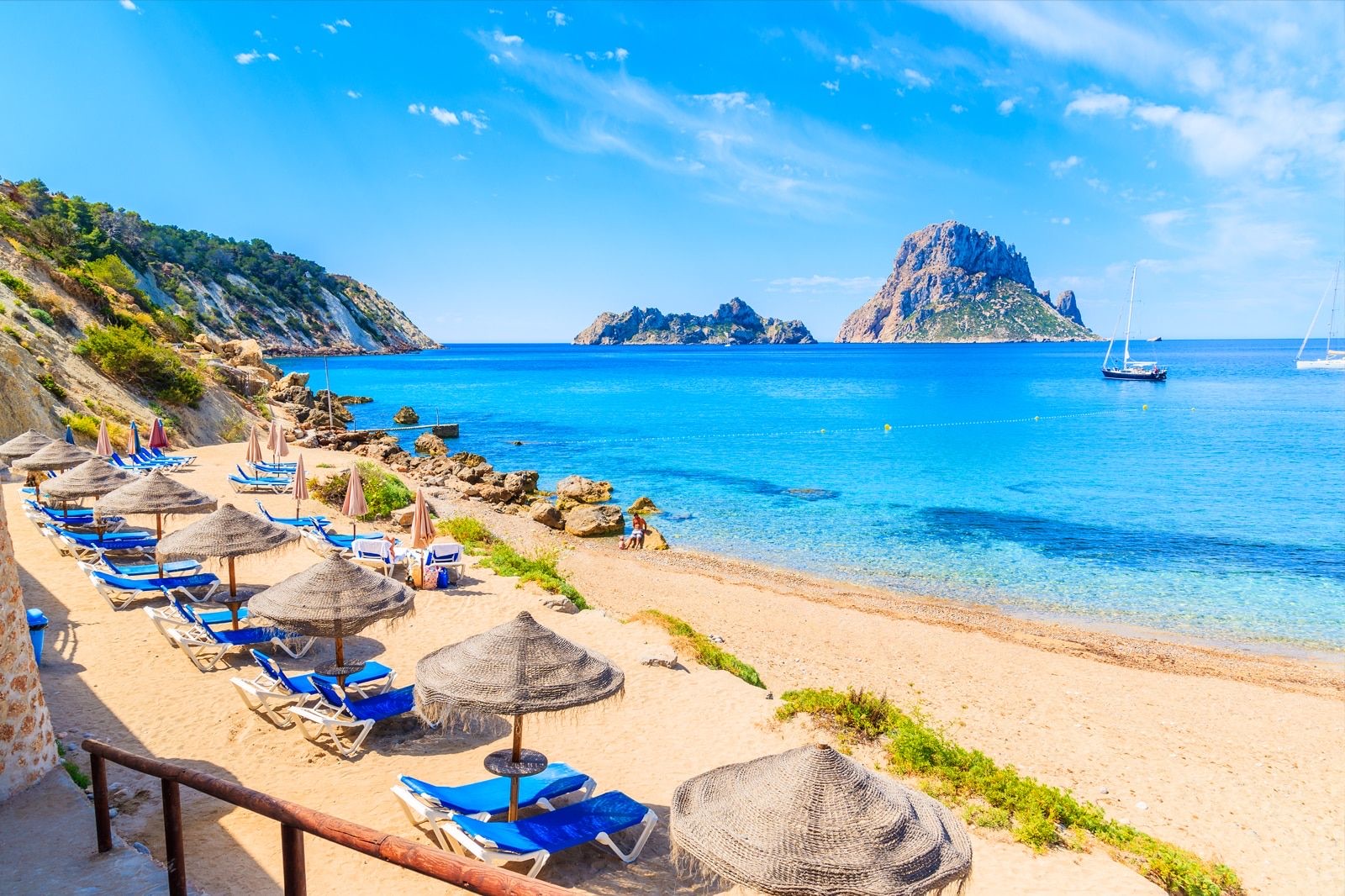
Ibiza (LEIB): Seasonal complexity. In peak summer (July to August), Ibiza is chaos. Slots are nearly impossible to get, FBO rates triple, and parking at the airport for more than 24 hours can be refused outright. We scheduled this leg for early June, which is shoulder season and much easier.
Lisbon (Cascais, LPCS): The underrated European private aviation airport. Cascais is about 30 minutes from downtown Lisbon, has almost no slot restrictions, and handles private jets efficiently. I love routing clients through Lisbon whenever possible because the experience is dramatically smoother than the more famous alternatives.
The Hidden Cost Nobody Warns You About: Crew Rest
European private aviation has stricter crew duty rules than US domestic. A typical crew of two pilots can fly a maximum of about 10 hours in a duty day, including pre-flight preparation and post-flight shutdown. Most single-leg flights across Europe are 1 to 2 hours, so on paper you can fly 3 to 4 legs in a day.
In practice, you cannot. Operators build in rest buffers and time for weather, slot delays, and fuel stops. For a 10-day tour with 5 destinations, we needed to build in mandatory crew rest nights, which means the crew stays in a hotel at the client’s expense on some overnights.
For this tour, we had 3 mandatory crew rest nights. At roughly $400 per night for two crew members in decent European hotels, that added $1,200 to the invoice that the client did not initially budget for. This is normal and expected, but it surprises first-time multi-leg clients every time.
The Repositioning Question
Here is where the decision gets expensive. The Citation Longitude we chose was based out of Farnborough in the UK. That meant a one-time positioning flight from Farnborough to Teterboro (where the client was boarding) at the start of the trip, and a final repositioning from Teterboro back to Farnborough at the end.
Those two positioning legs added roughly $55,000 to the base quote. This is a hard pill to swallow for many clients, but the alternative (using a US-based aircraft with even more expensive transatlantic positioning, or switching aircraft in Europe which breaks the continuity) was worse.
I ran the numbers three ways and explained each to the client. He picked the option we went with because the continuity of the same crew for 10 days mattered more than saving $30,000 by splitting aircraft.
The Final Cost Breakdown
Here is what the invoice looked like, rounded for clarity:
- Initial positioning (Farnborough to Teterboro): $27,500
- Teterboro to Paris (8.5 hours): $62,000
- Paris to Milan (1 hour 15 min): $9,500
- Milan to Nice (40 min): $6,800
- Nice to Ibiza (1 hour 30 min): $10,500
- Ibiza to Lisbon (2 hours): $13,800
- Lisbon to Teterboro (7 hours 45 min): $56,500
- Return positioning (Teterboro to Farnborough): $26,500
- Daily hold fees (10 days at various airports): $18,000
- Crew rest hotels (3 nights, 2 crew): $1,200
- Catering across 5 cities: $6,500
- Ground transportation coordination (5 cities): $4,500
- EU flight permits and handling fees: $3,200
- Final total: approximately $246,500

For 10 days of private aviation across 5 European cities with the same aircraft and crew, this is a fair price. A US-based operator would have quoted $300,000+ for the same mission due to worse positioning math. A client trying to book each leg independently on different operators would have saved maybe $40,000 but dealt with 5 different crews, 5 re-boarding experiences, and much higher coordination complexity.
What I Tell Clients Who Are Planning Similar Tours
After running a few of these multi-city European missions over the years, here are the rules I now share with every client at the start of the conversation.
-
Pick 4 or 5 cities maximum, not 7 or 8. More cities means more ground transportation, more hotel changes, more jet lag-like exhaustion from constant transitions. The magic number for enjoying the trip is 4 to 5 destinations over 10 to 14 days.
-
Stay at least 2 nights in each city. One-night stops mean you barely unpack before repacking. The only exception is a fuel stop that doesn’t count as a real destination.
-
Ask your broker about crew rest requirements for your itinerary. The answer directly affects the number of flying days possible.
-
Avoid peak events unless that event is the reason for the trip. Cannes Film Festival, Monaco Grand Prix, Ibiza July weekends, Paris Fashion Week, Milan Fashion Week. Every one of these triples the local aviation costs.
-
Book European multi-leg tours 6 to 8 weeks in advance. Slot availability in Paris, Ibiza, and Nice is the constraint, not aircraft availability.
-
Use a European-based aircraft if possible. The positioning math works in your favor compared to flying a US-based jet across the Atlantic.
-
Budget 15 to 20 percent over the initial quote for catering upgrades, shopping fees at FBOs, surprise ground transportation, and crew rest buffers.
If you are planning a European multi-city tour and want an honest read on what it will take to put together, reach out. These are some of my favorite missions to plan because every tour is a little different and the logistics puzzle is genuinely interesting.
Ryan Curtis
Ryan Curtis is the Vice President of Transworld Jets, overseeing charter operations, aircraft sourcing, and client relationships. With over a decade in private aviation brokerage, Ryan focuses on matching clients with the right aircraft for missions ranging from last-minute business travel to multi-leg international tours. He works alongside his brother Evan at Transworld Jets in Jupiter, Florida.
Planning your own charter?
Every mission is different. Reach out for a personalized quote from a broker who handles flights like these every day.